History & Legend The Story of Tiger Cave Temple
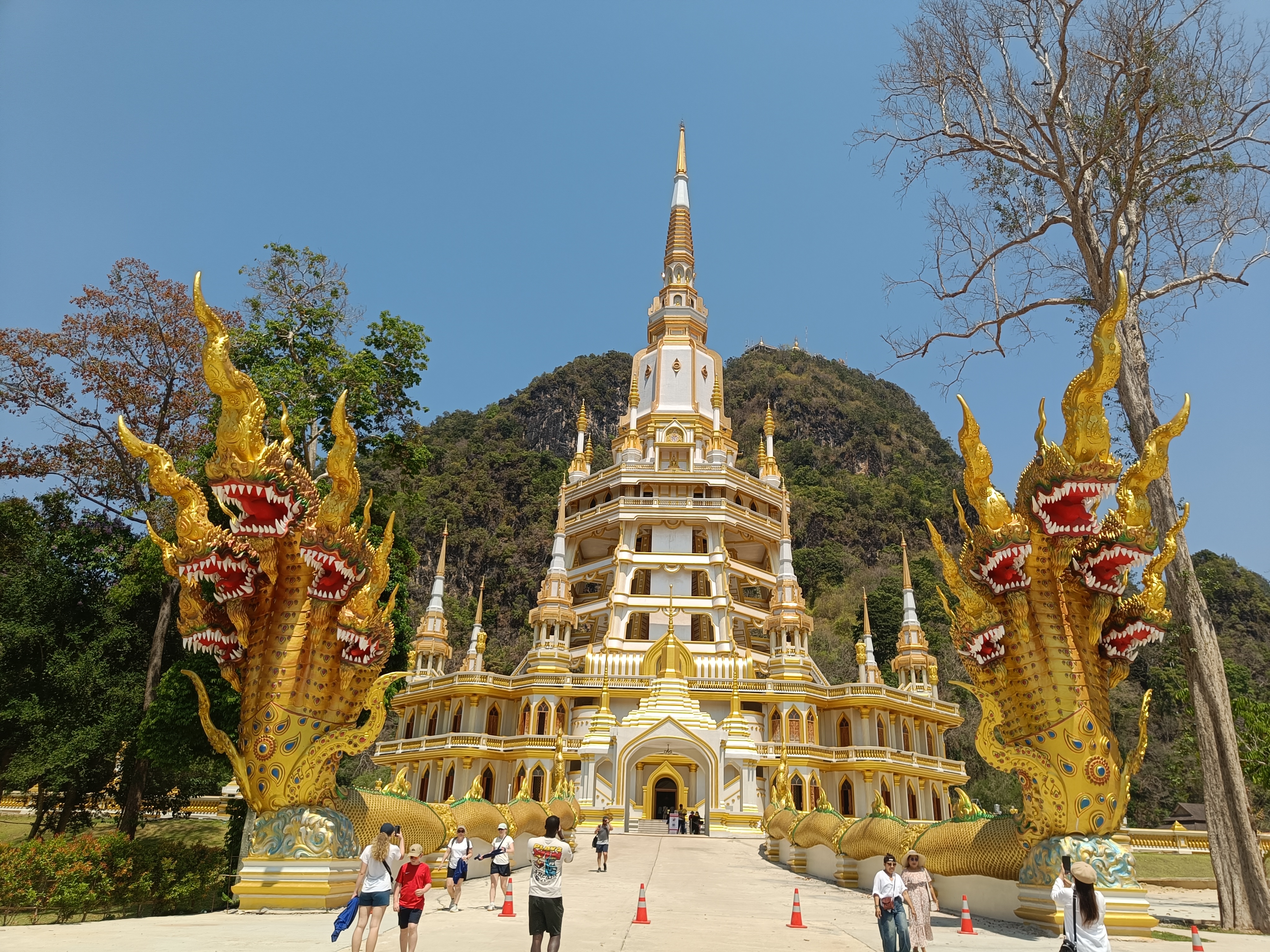
From a meditating monk's retreat to a bustling hillside monastery, the story of Wat Tham Suea is as intriguing as its name — part documented history, part legend passed down for decades.
1
Birth of a Forest Monastery (1975)
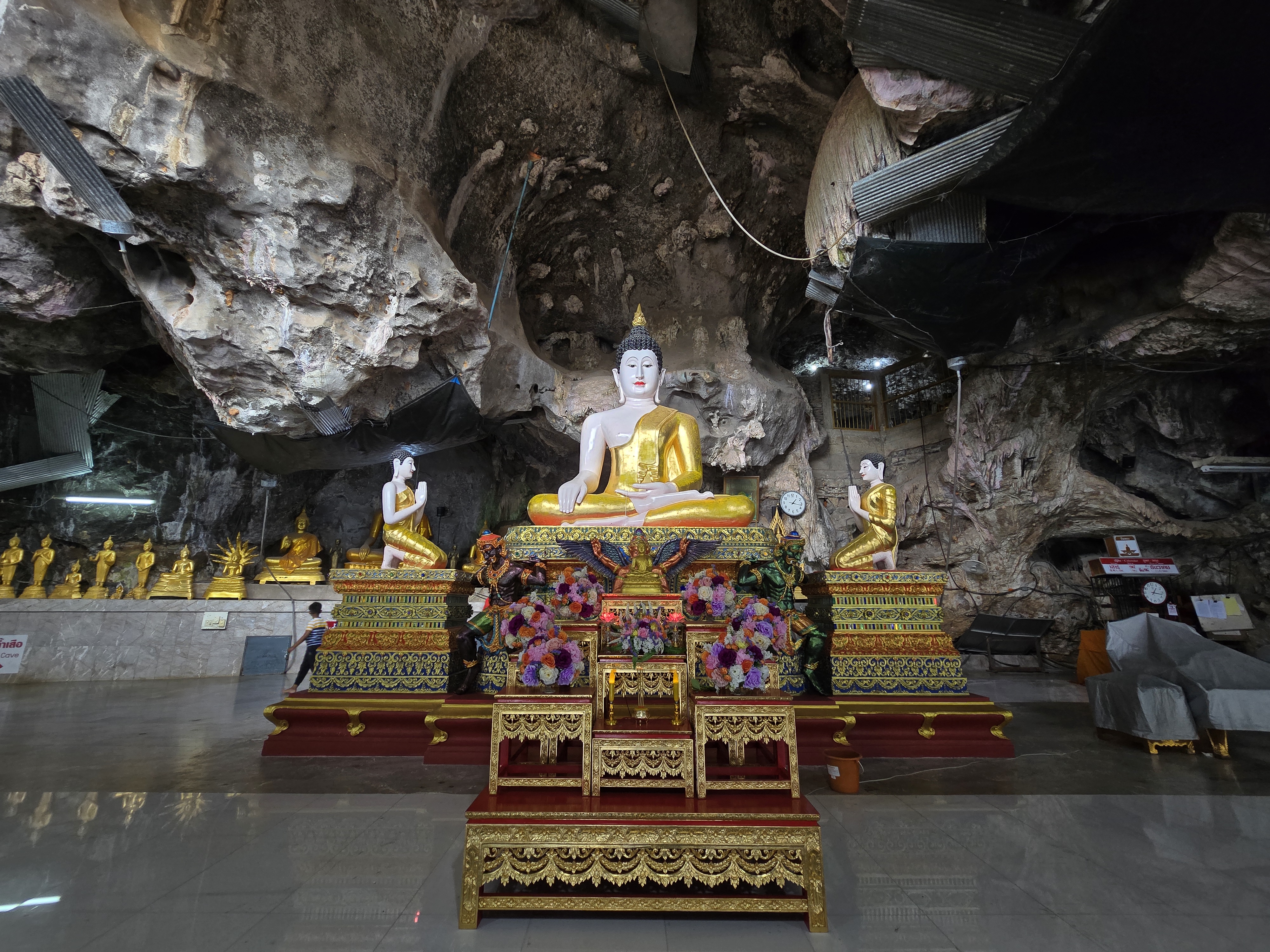
In 1975, the renowned southern-Thai meditation monk Jumnean Seelasettho (revered as Luang Pho Khruba Chaiwong) settled in a natural cave amid the limestone hills north of Krabi Town. Following the Thai Forest Tradition of simplicity, meditation and living close to nature, he gradually drew devotees from far and wide, and the once-remote grotto grew into the forest monastery seen today.
2
How It Got Its Name
Legend says that when the monk first arrived, tigers still roamed the caves; clawed markings scarred the rock walls, and one stalactite is shaped uncannily like a crouching tiger. The temple was thus named Wat Tham Suea — literally 'Tiger Cave Temple' in Thai — a name that both records Krabi's wild forested past and lends the site an air of mystery.
3
1,237 Steps & the Summit Buddha
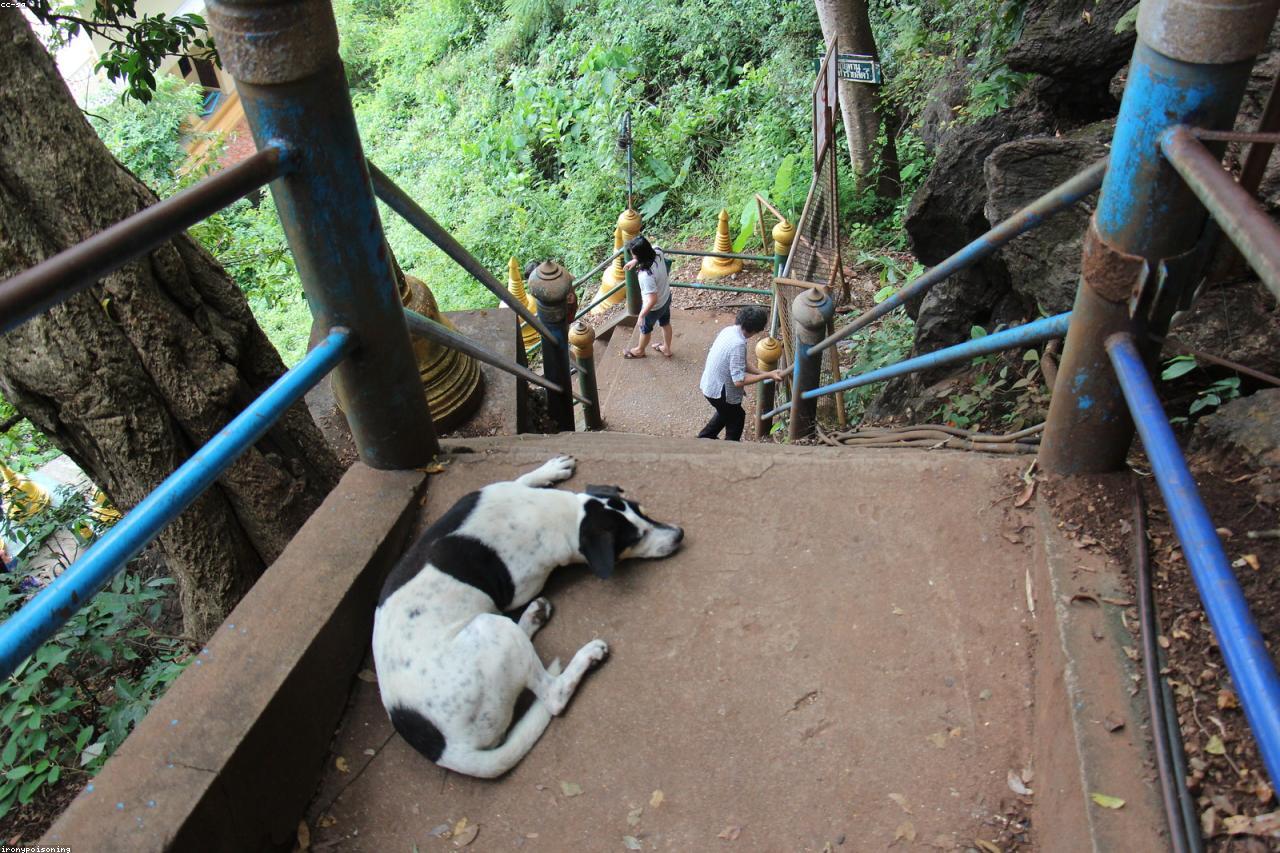
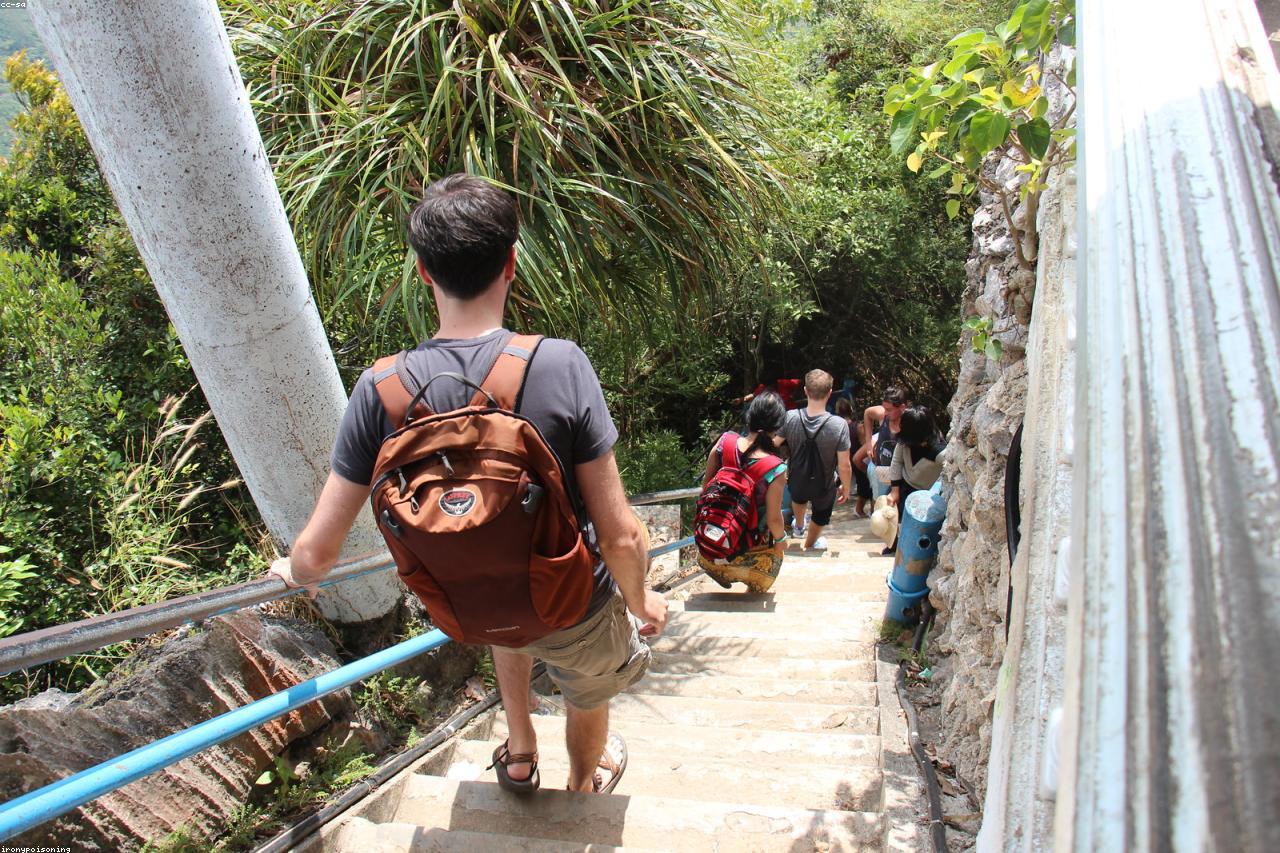
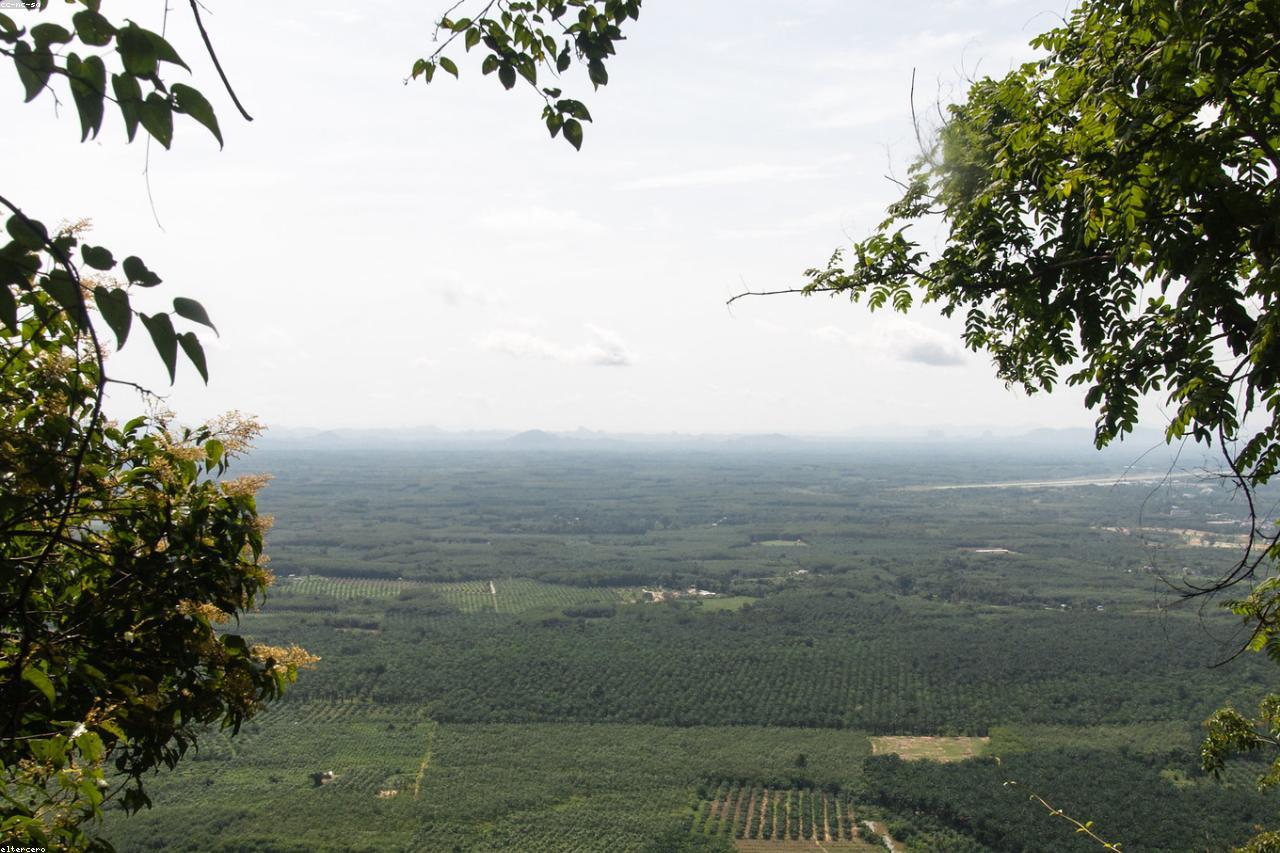
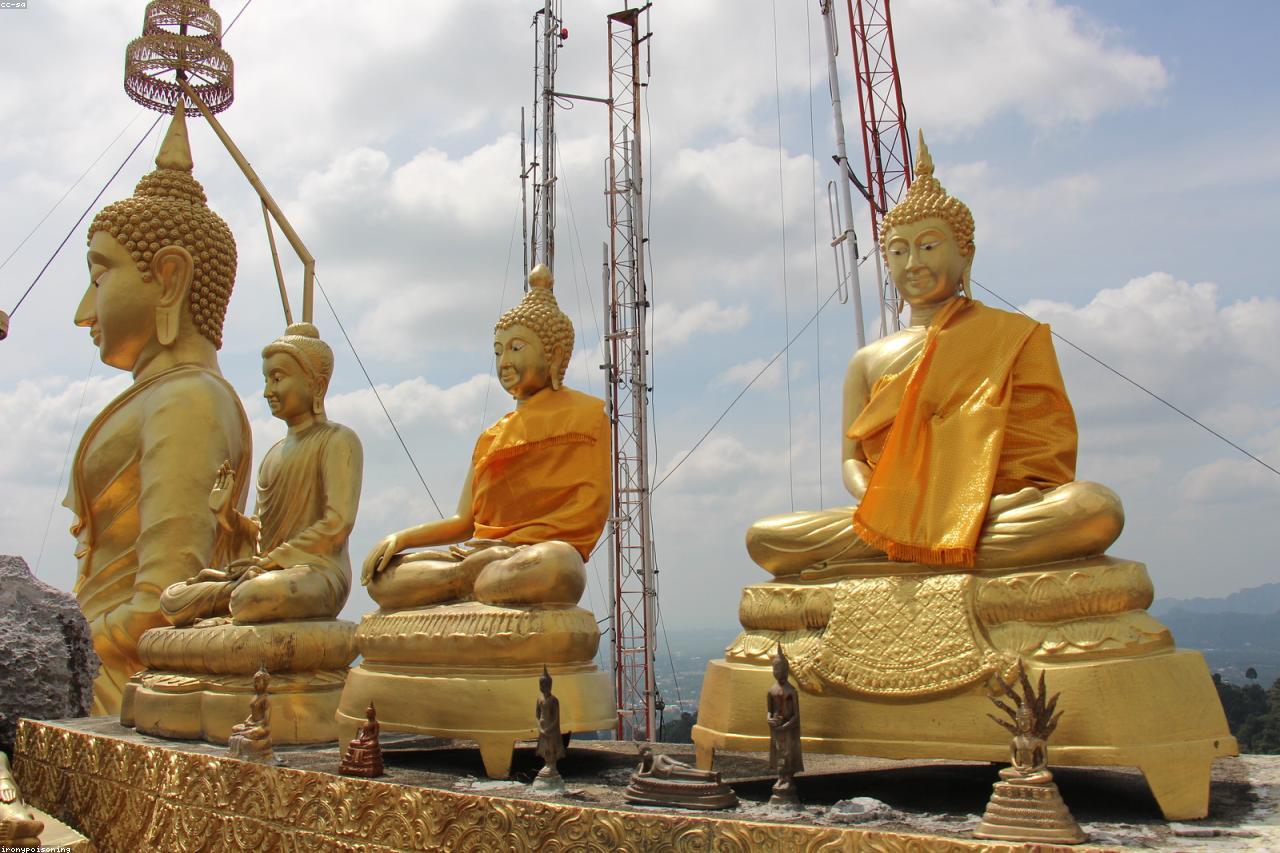
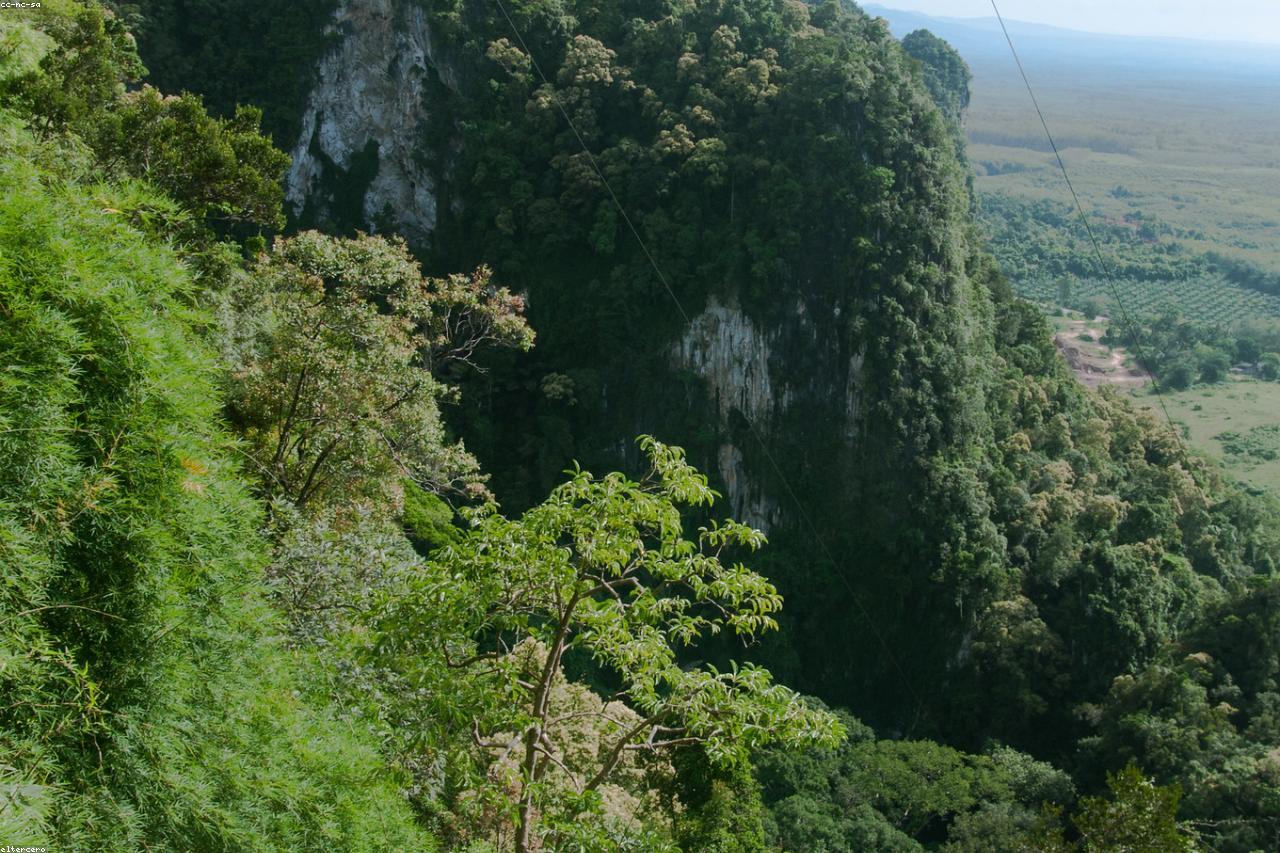
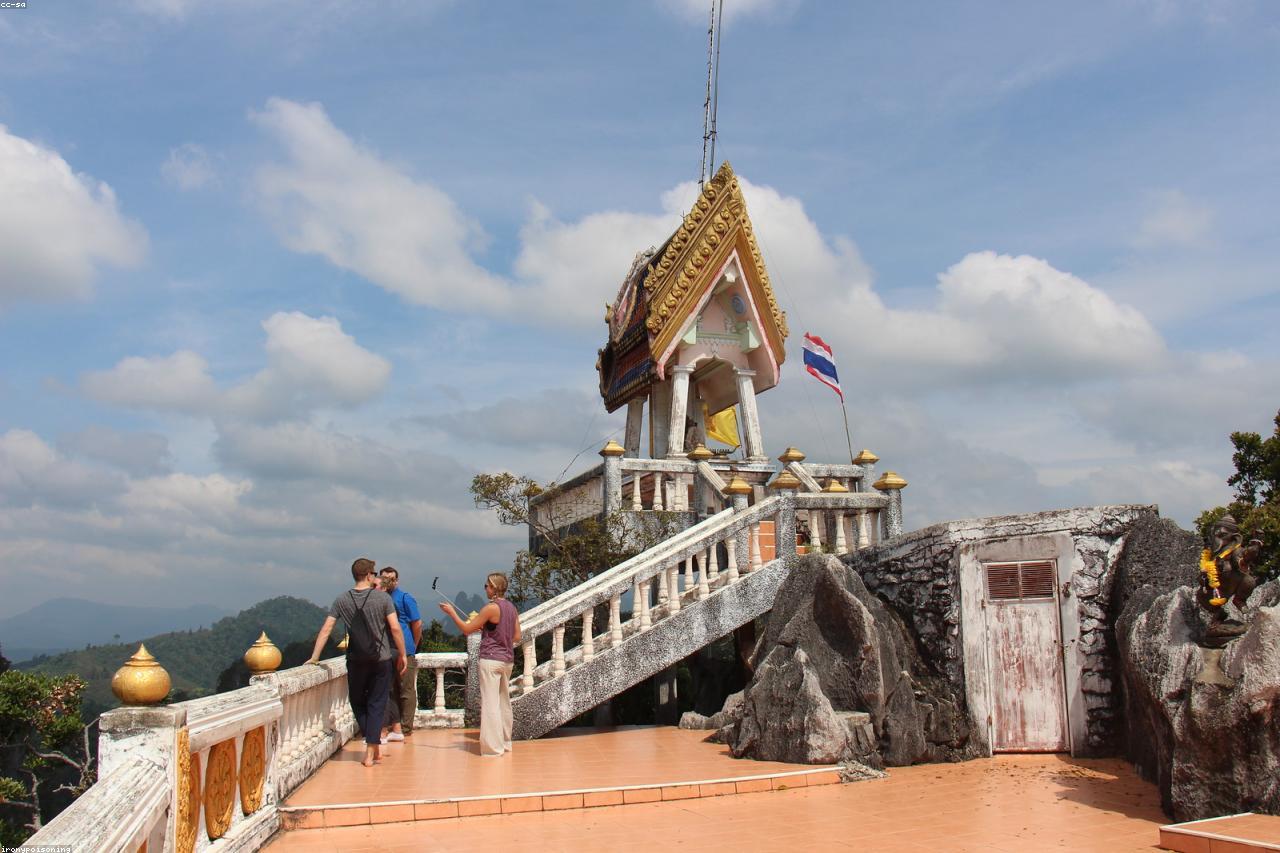
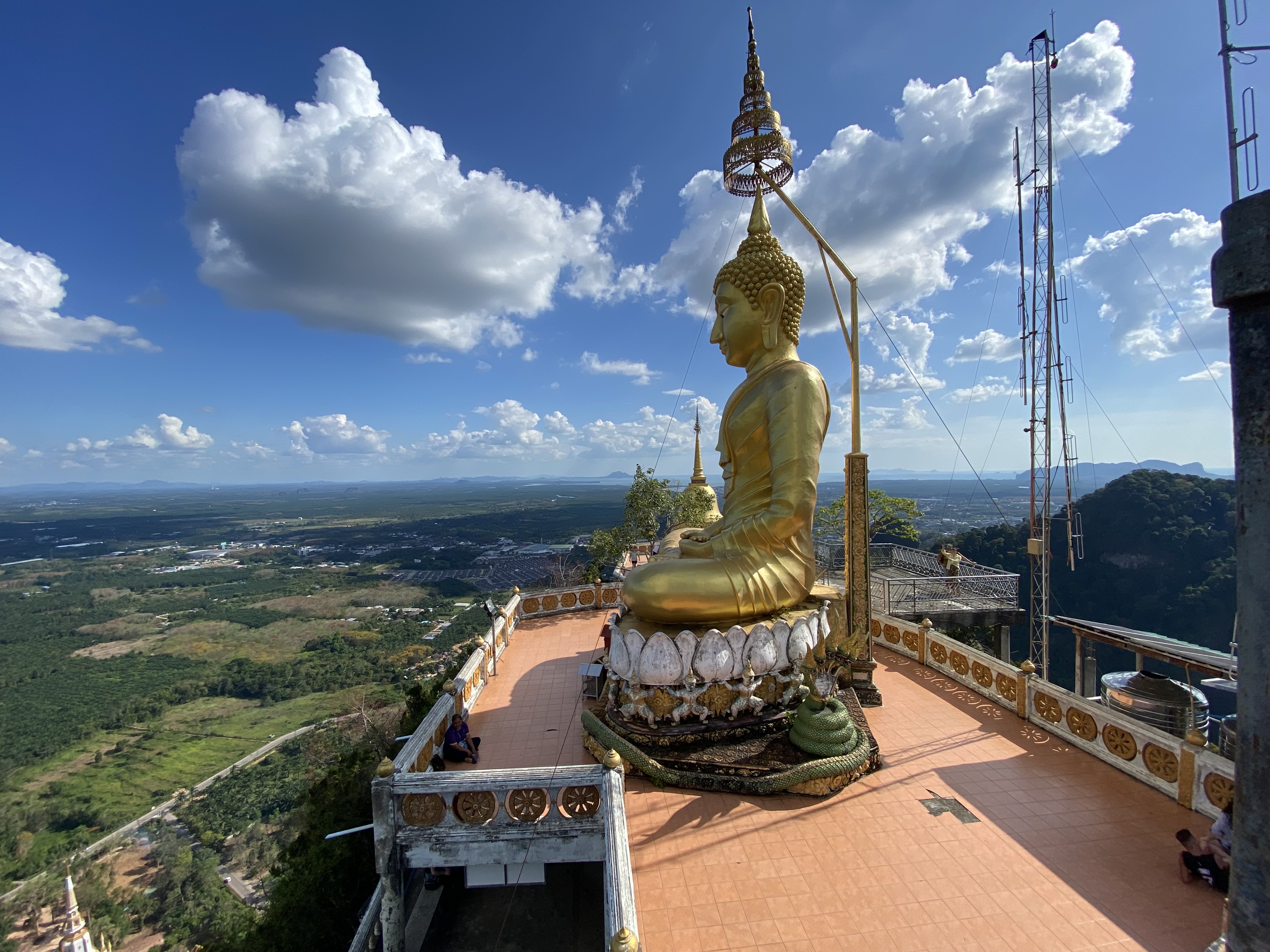
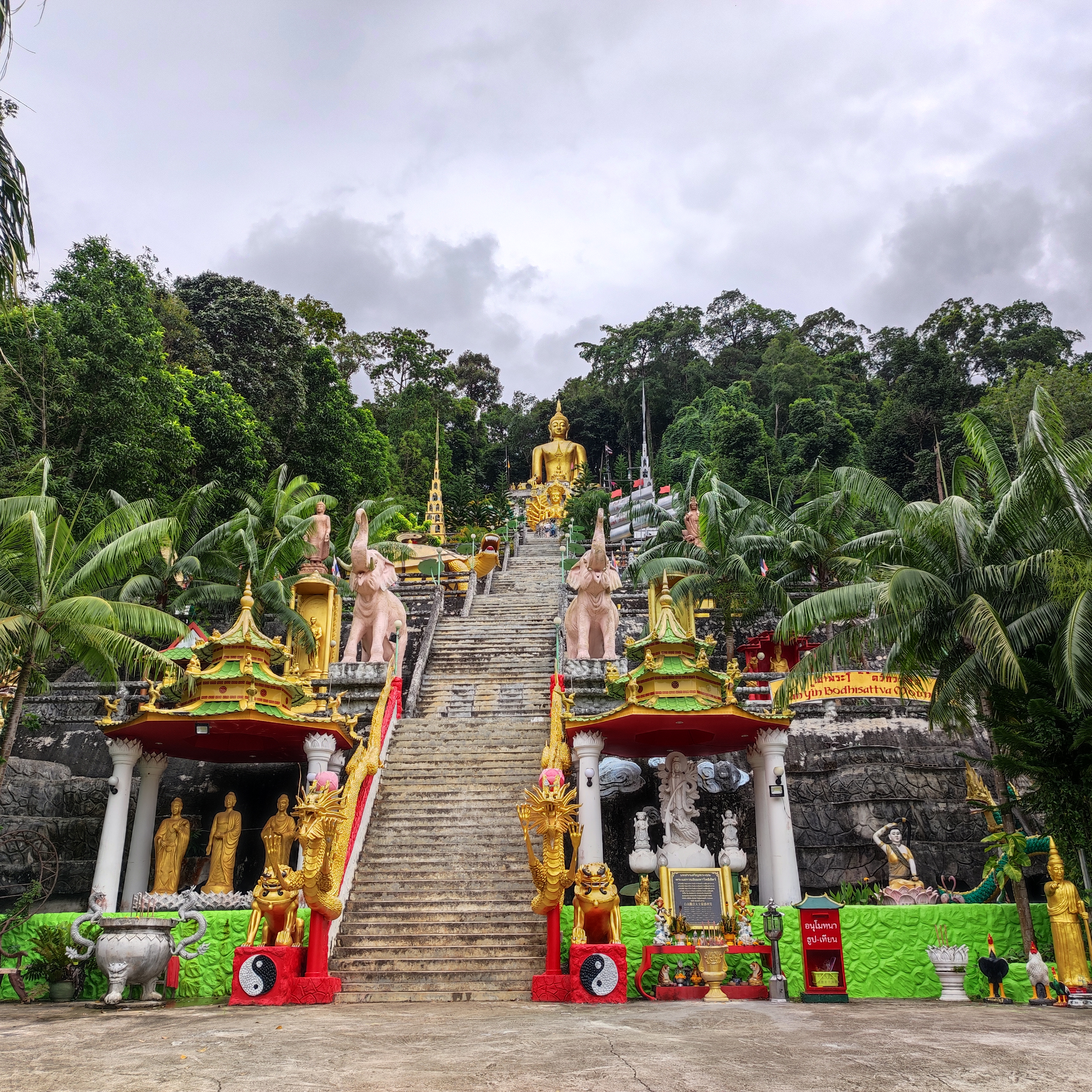
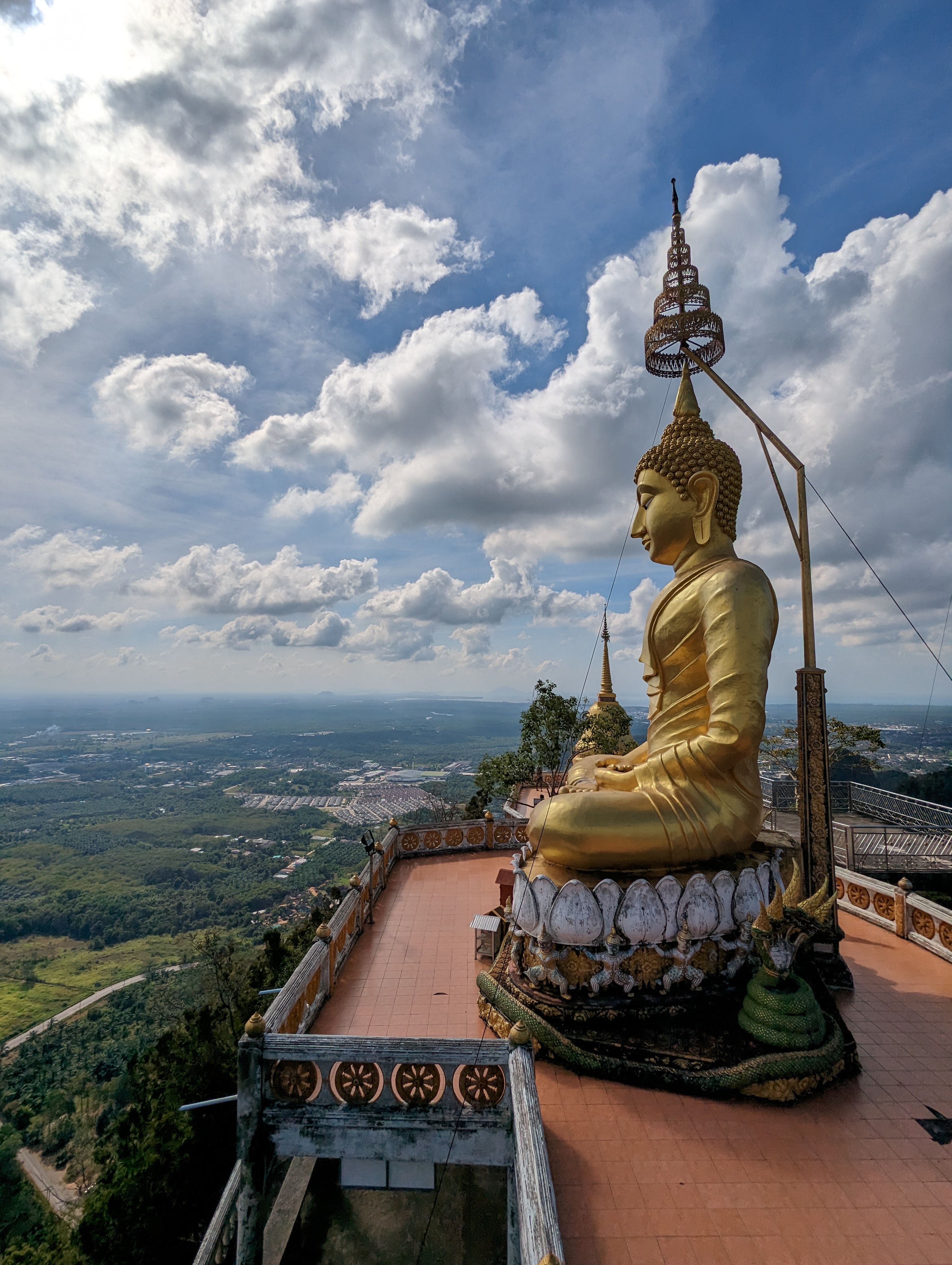
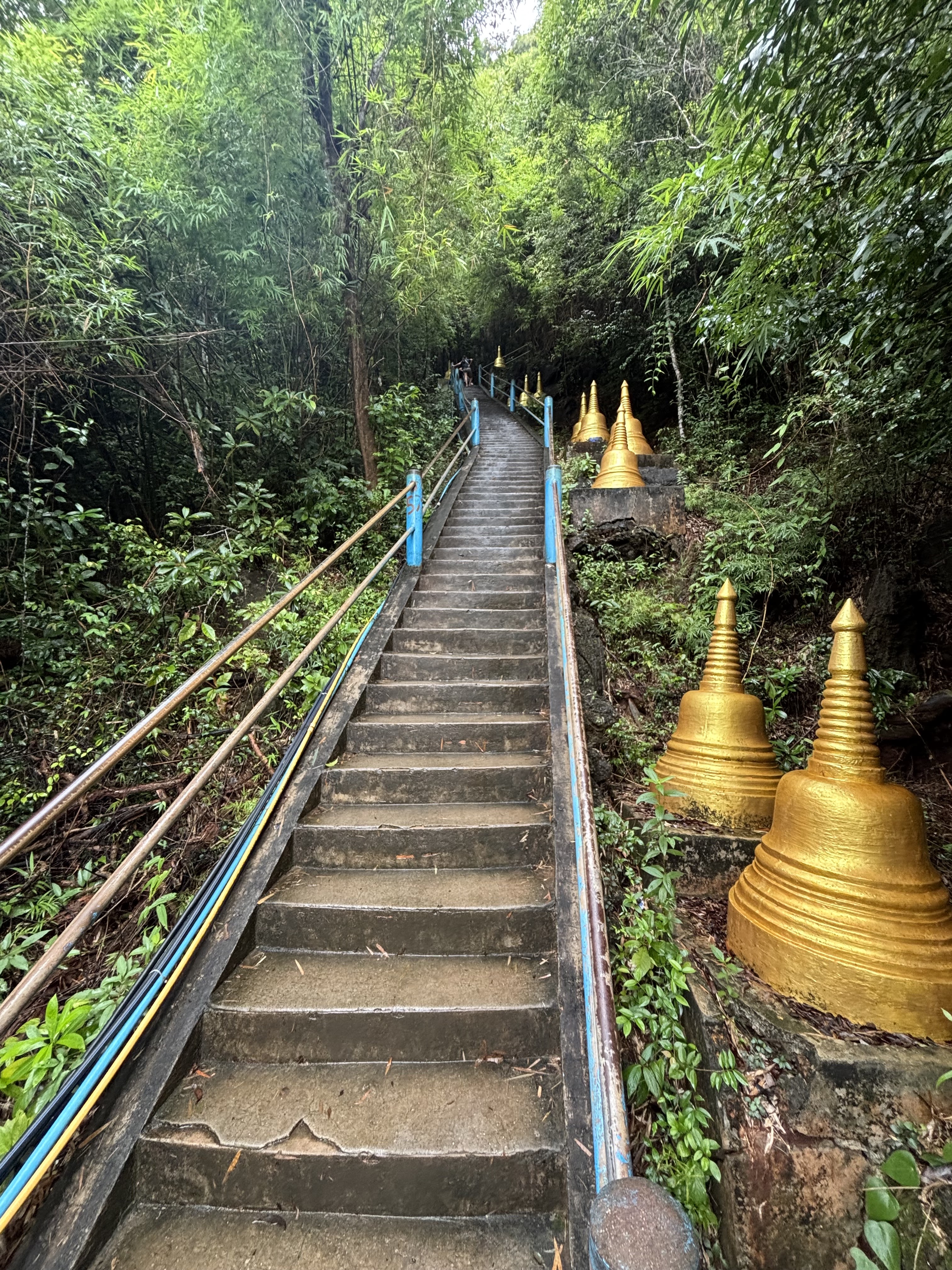
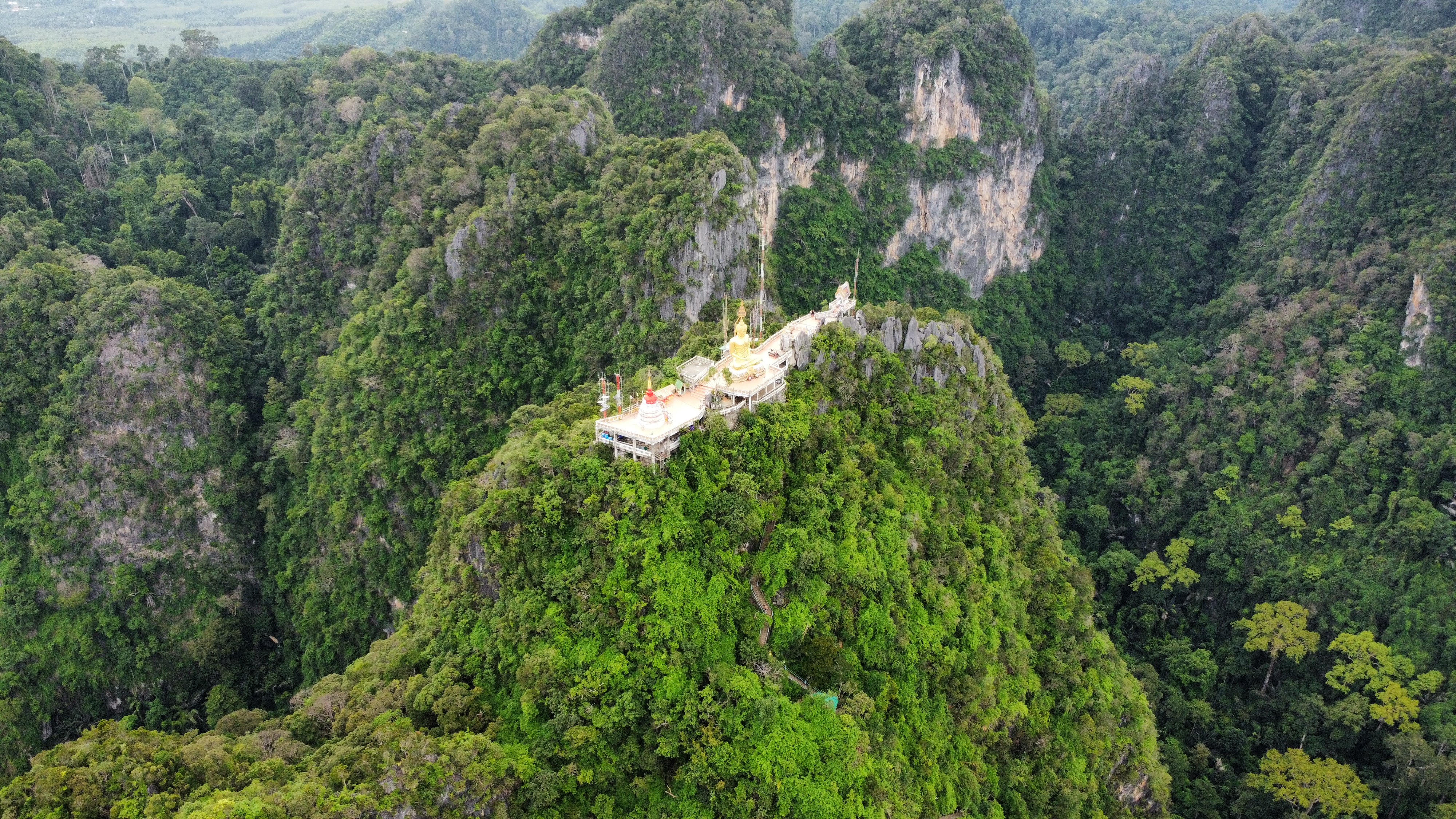
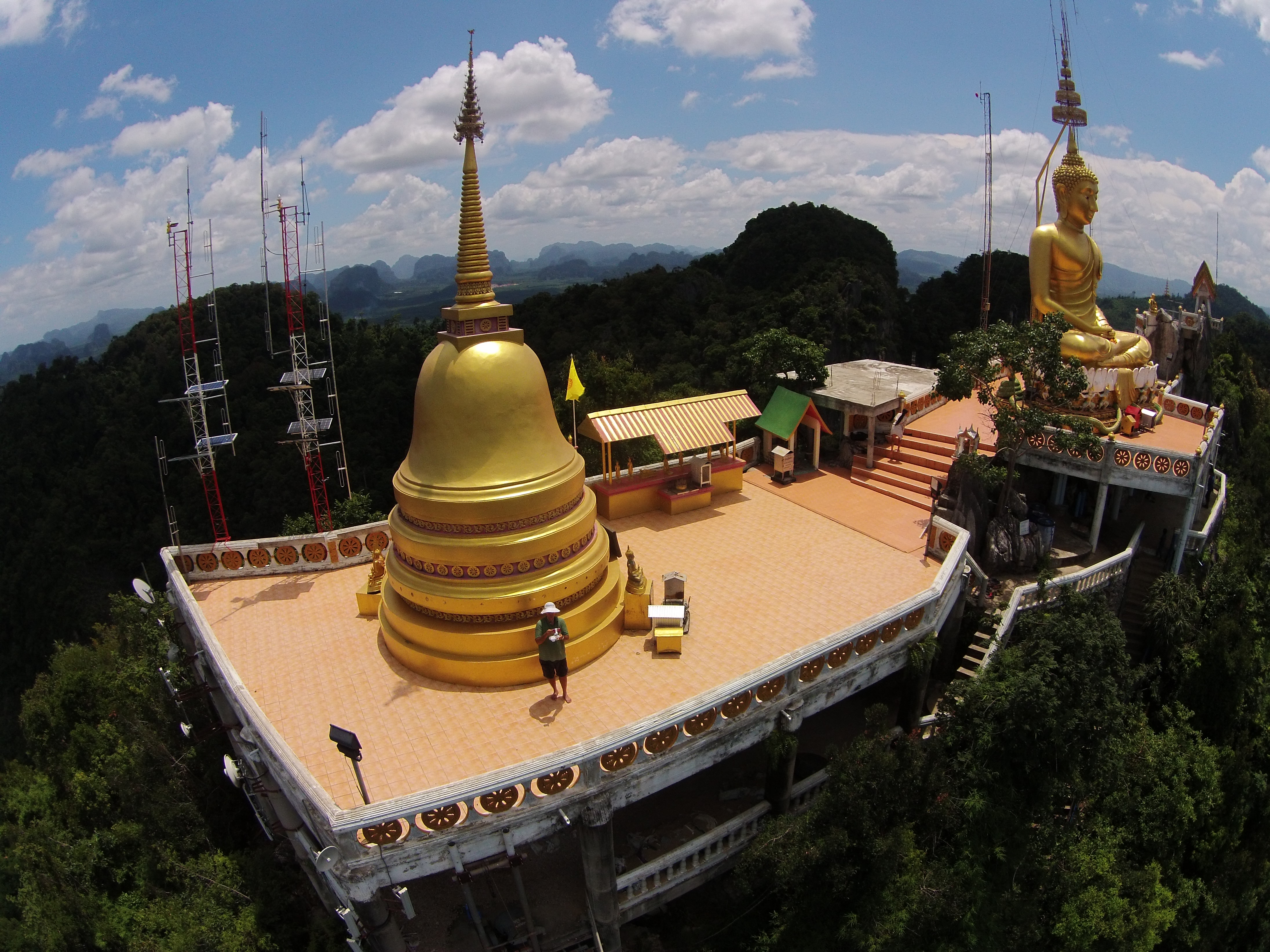
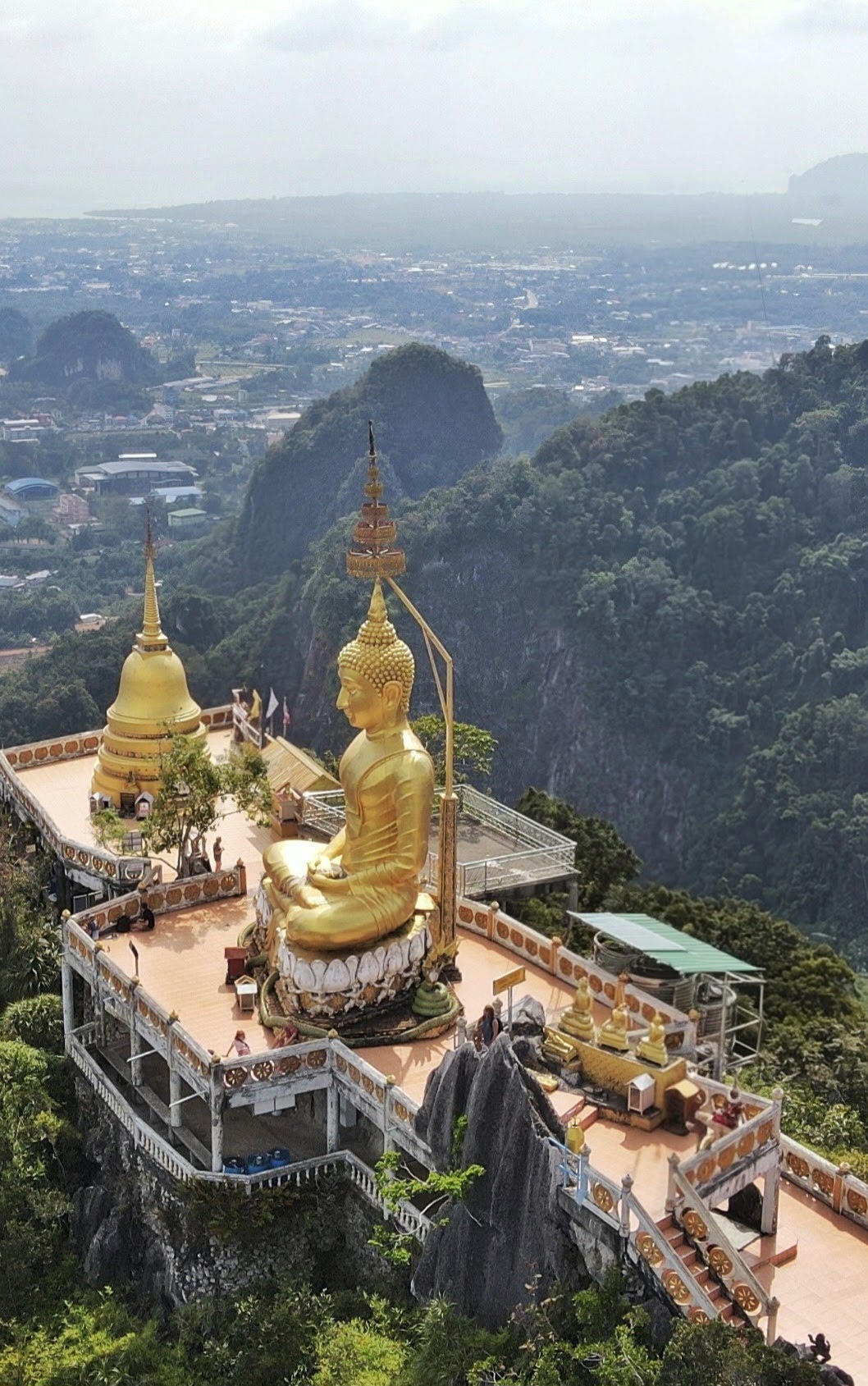
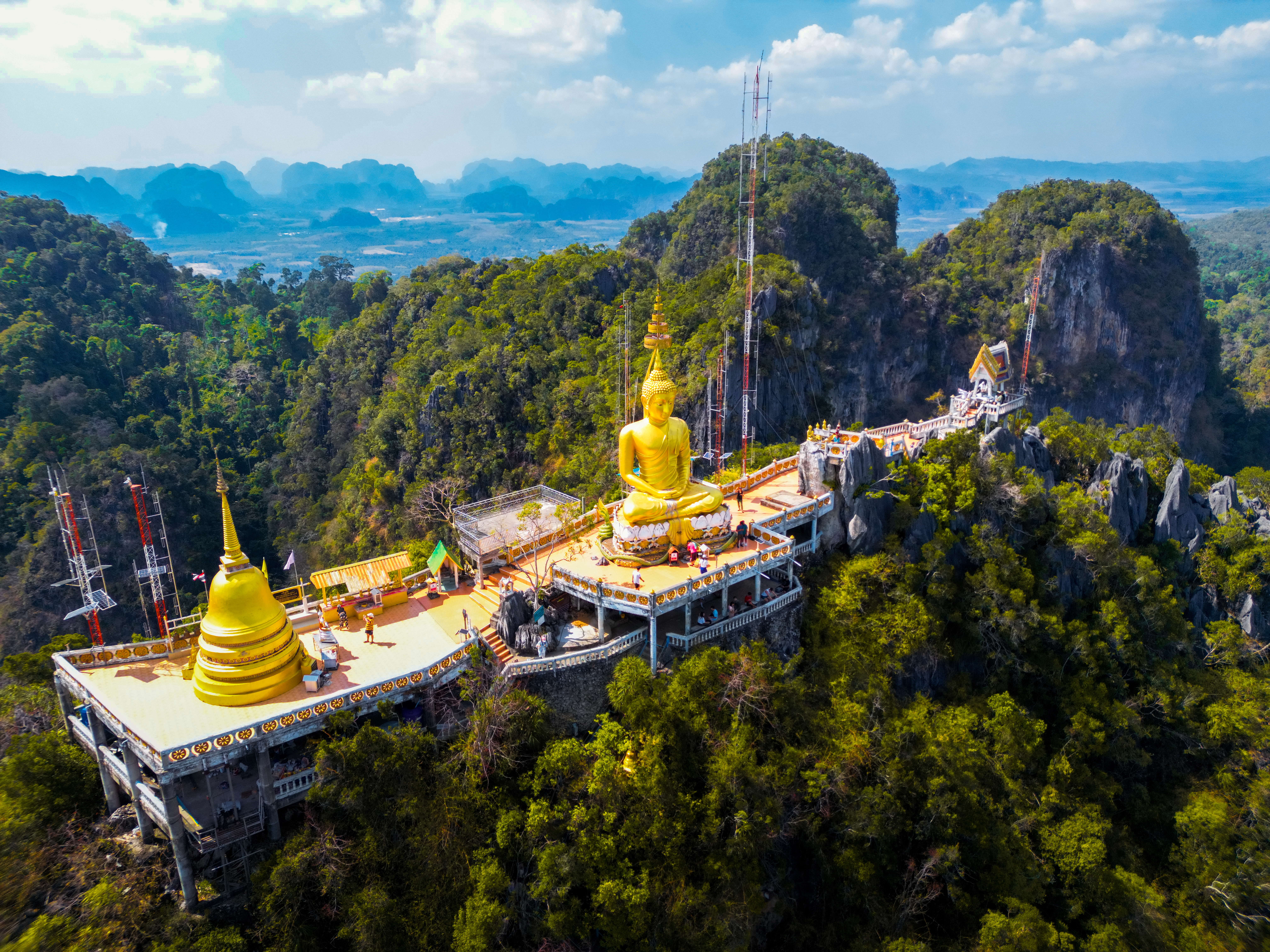
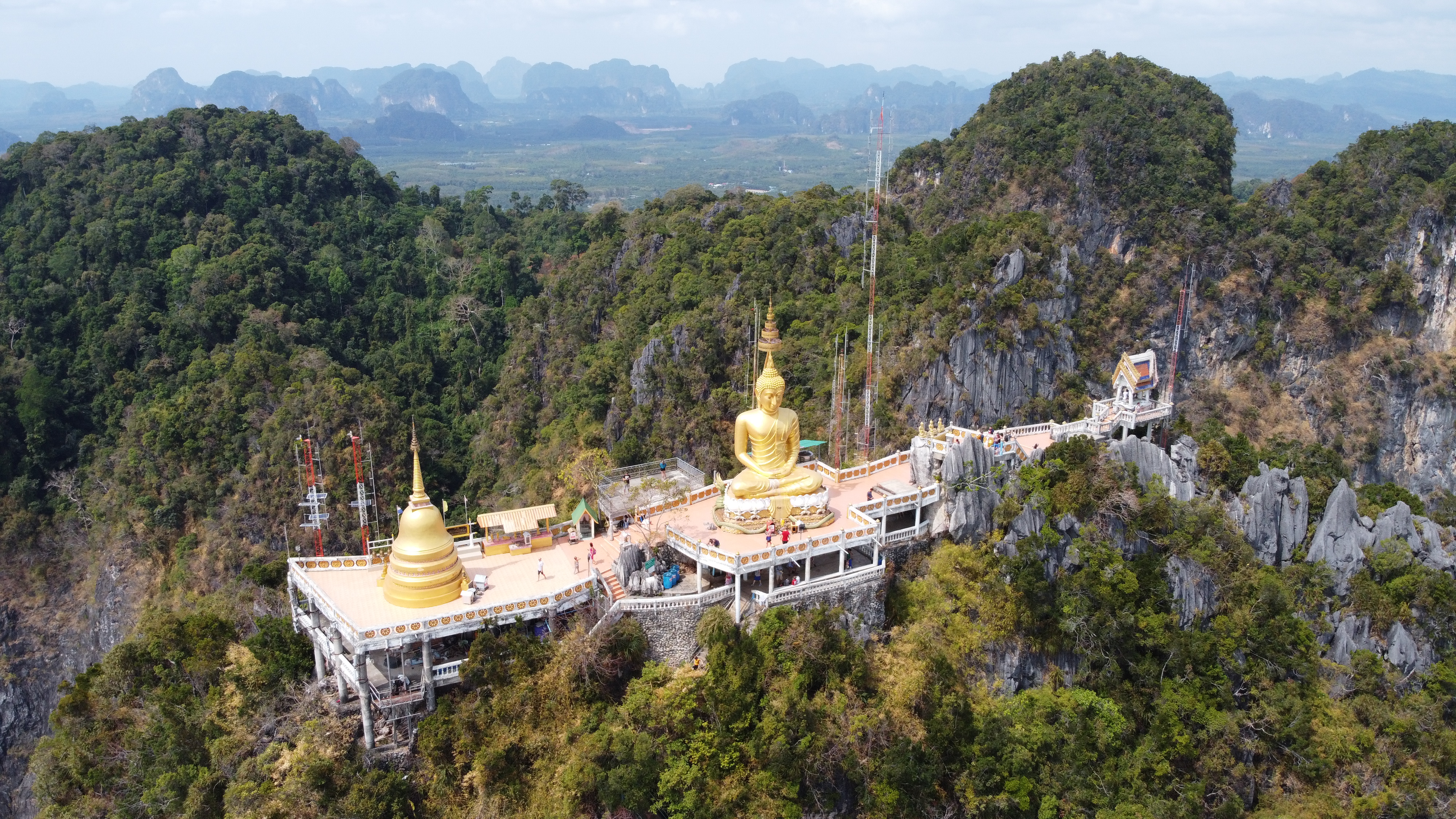
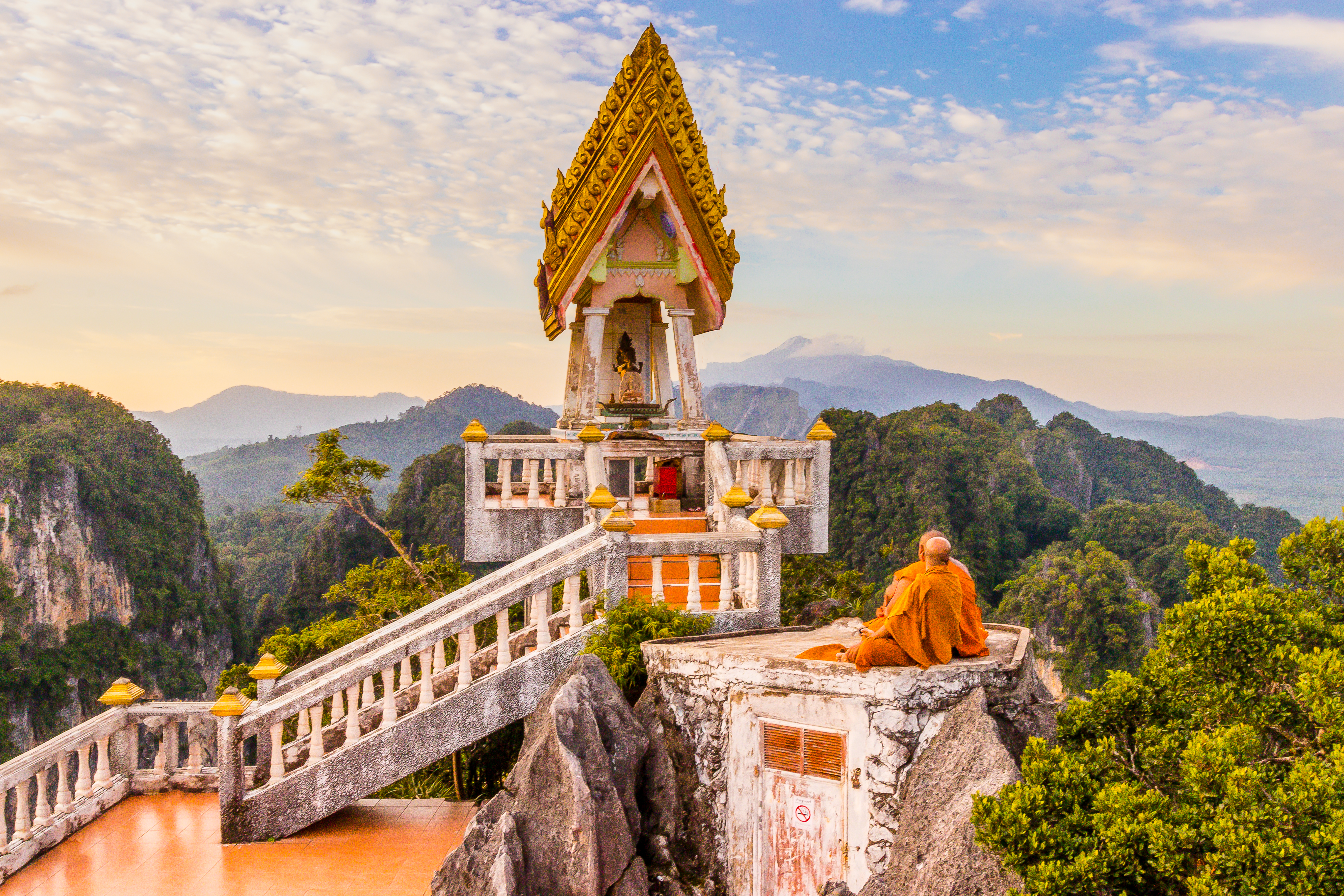
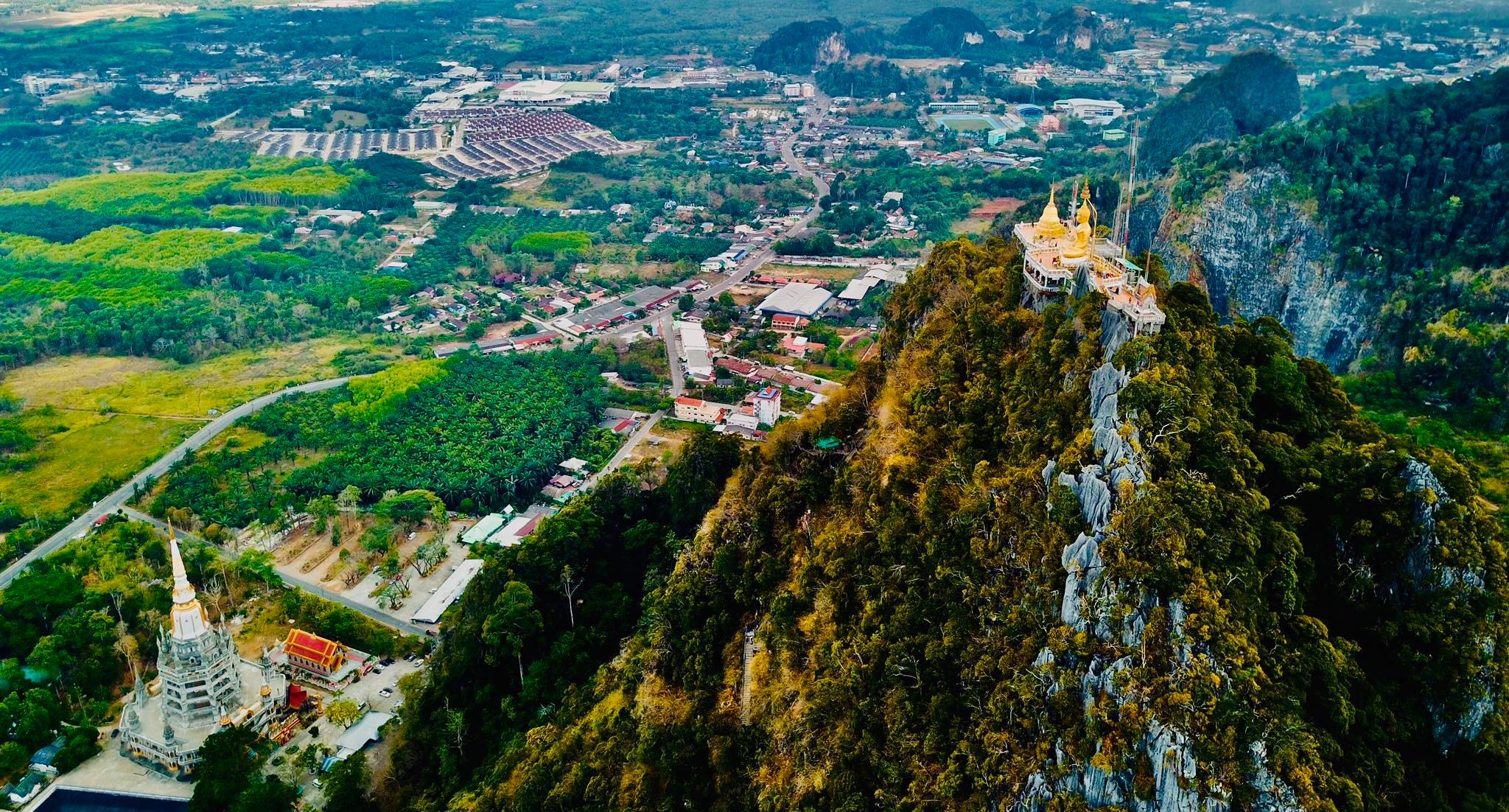
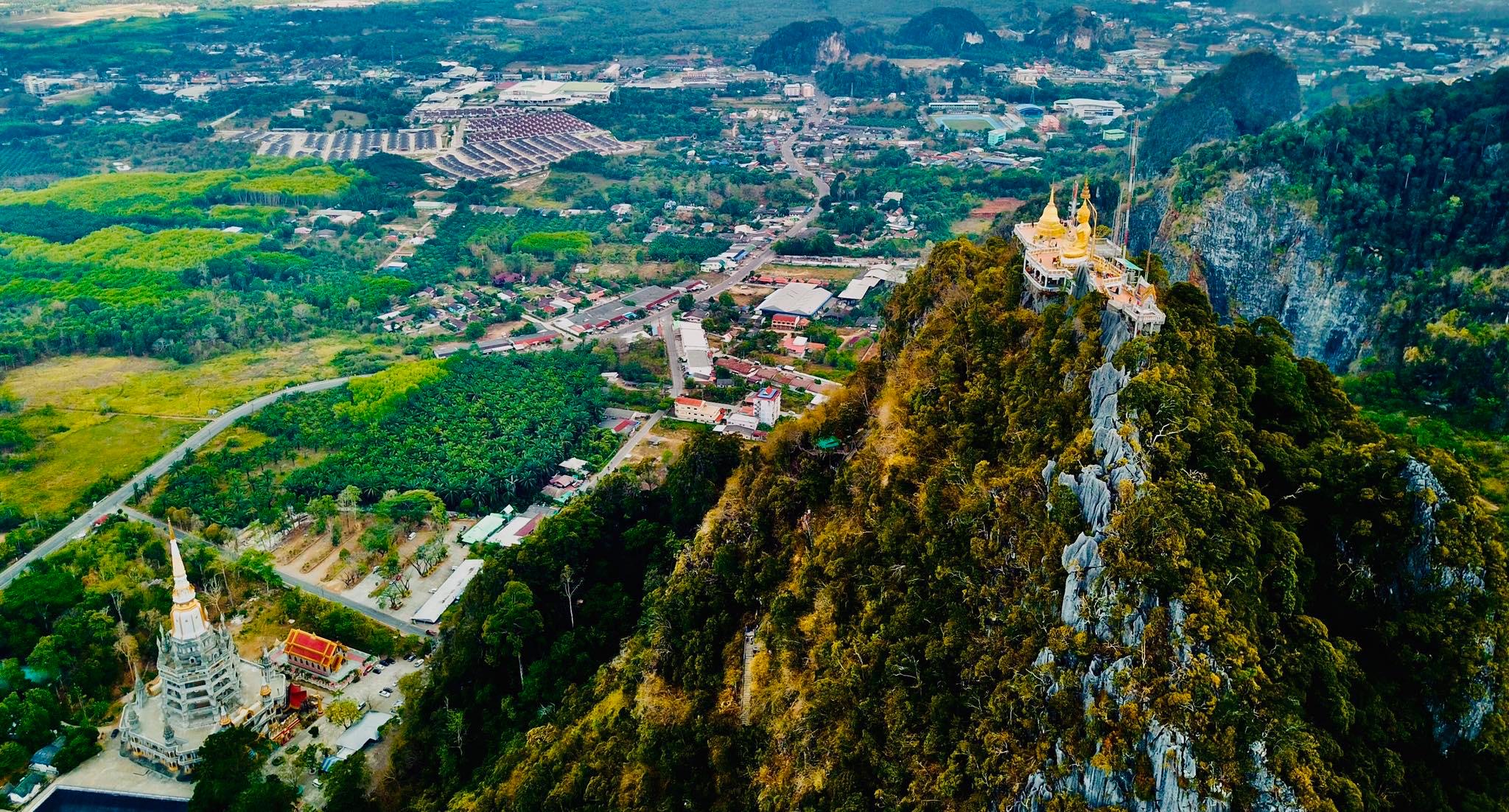
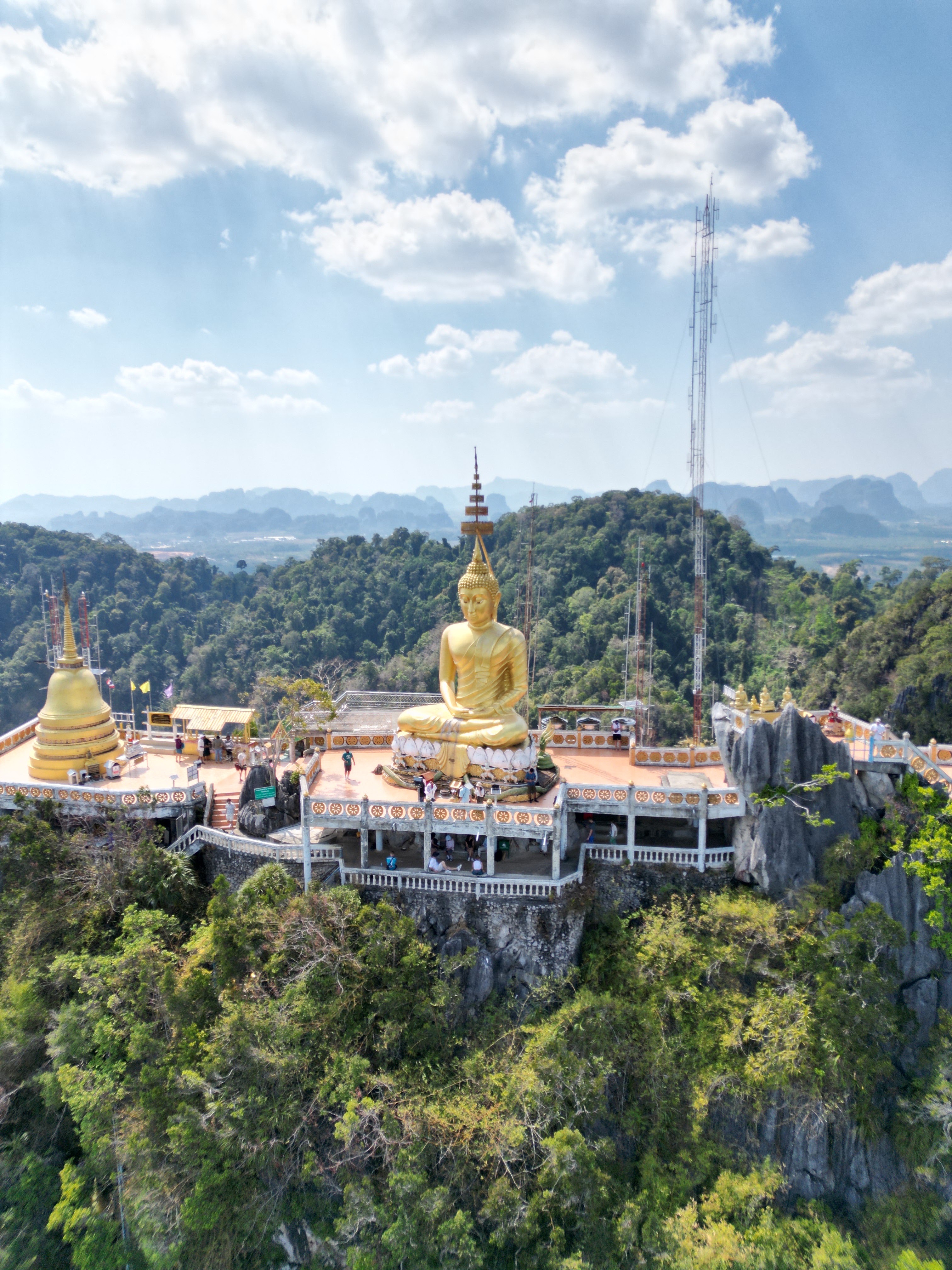
The temple's most famous feature is the steep 1,237-step staircase up Khao Kaeo hill. At the top, a roughly 9-metre seated golden Buddha (Phra Puttakhaya Sirirat) presides over the clouds, surrounded by gilded images, a Buddha footprint and a giant carved footprint. From about 278 m, the summit offers a 360° panorama of the Krabi plain, winding rivers and the distant karst peaks of the Andaman Sea.
4
Caves, Bodhi Trees & Ancient Giants
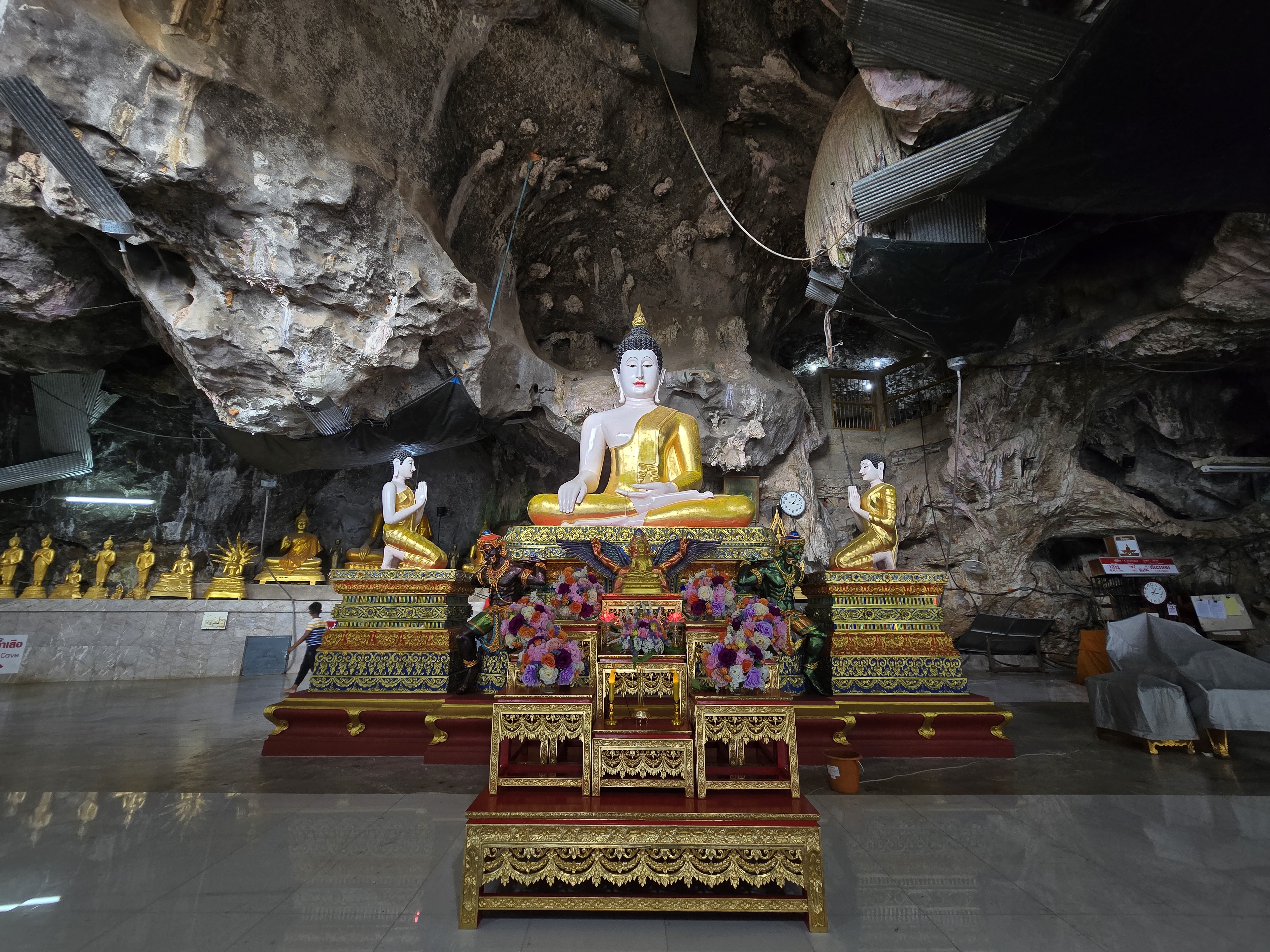
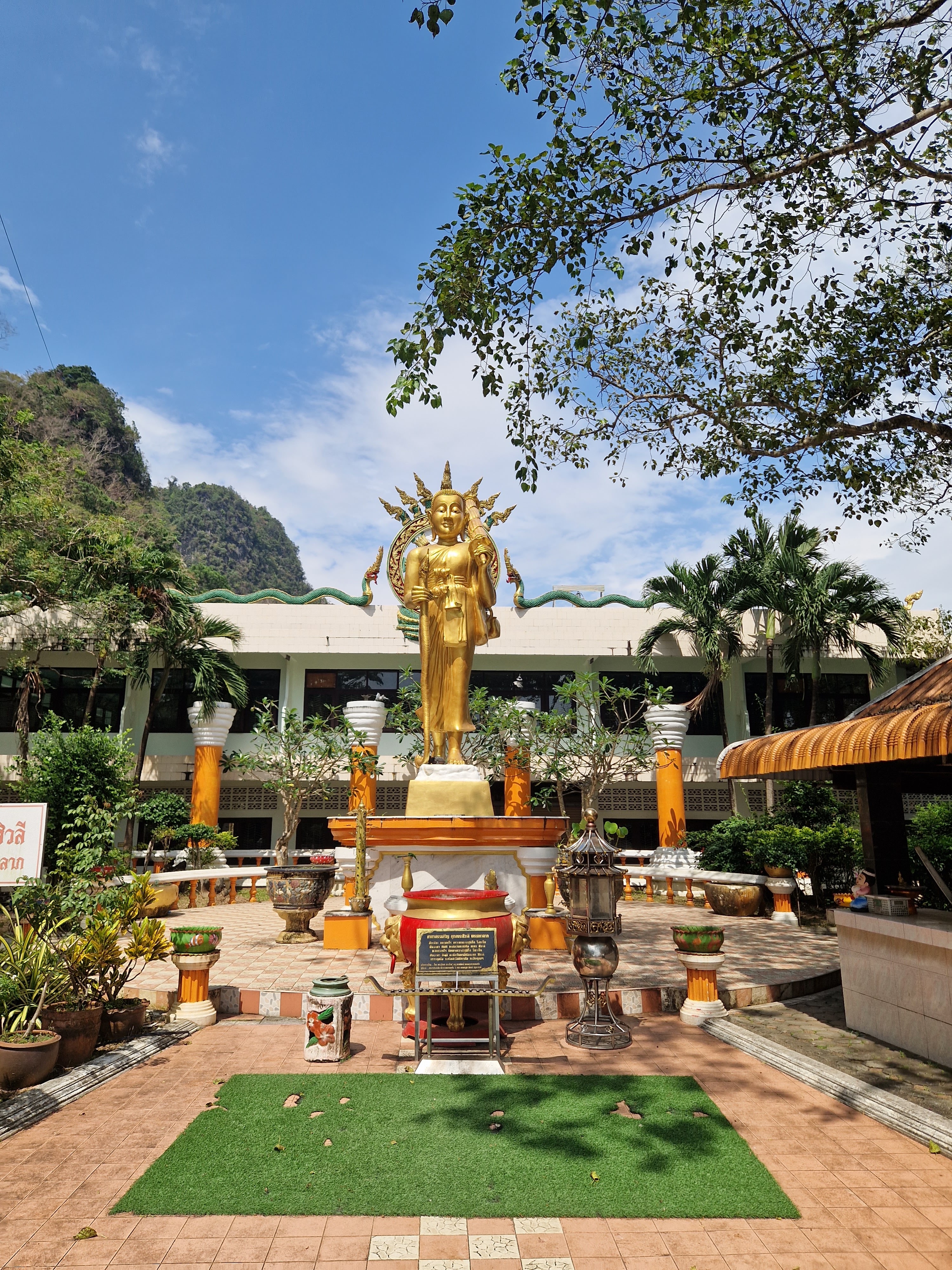
Beyond the summit Buddha, the base of the hill is ringed by a network of natural caverns (tham means 'cave'), enshrining Buddha images, relics and monks' belongings. A forested loop trail leads to a serene 'valley monastery', shaded by bodhi and towering yang trees said to be centuries old — a cool retreat for monks and lay visitors alike.
5
A Living Monastery Today
Nearly half a century on, Wat Tham Suea remains an active, living monastery — not merely a tourist site. At dawn monks walk for alms and devotees make offerings; on Buddhist holy days it fills with pilgrims. It carries layered meaning as a place of religious practice, nature conservation and local cultural identity.
Local Legend: The Guardian Tiger
Folklore tells that as the monk meditated through the dark cave nights, a tiger — far from harming him — lay at the entrance to guard him and ward off evil. When the monk passed away, the tiger's shadow vanished too, leaving only the claw marks on the wall and that tiger-shaped stalactite. To this day, pilgrims who believe the cave's tiger-spirit protects their practice light incense before the tiger stone and the Buddha footprint.